


























As I stared blankly at the rolling credits of the final episode of Season 2 of “The Pitt,” I felt as if I had just endured a grueling day as an emergency room doctor.
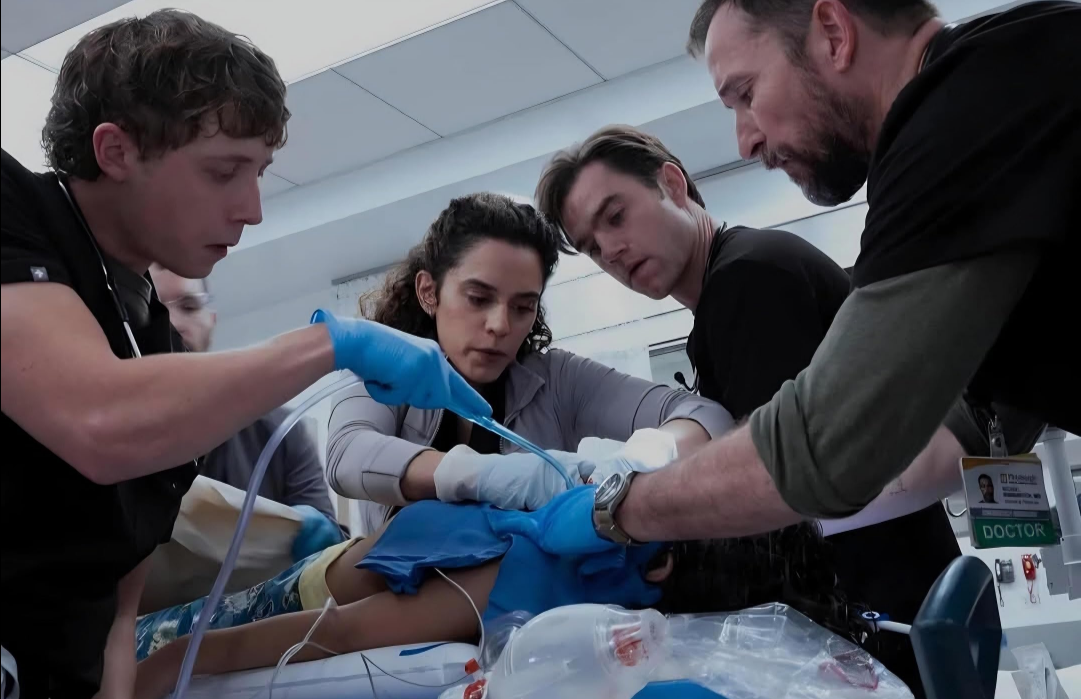
“The Pitt” is an Emmy-winning TV show set in a teaching hospital in Pittsburgh. Each of the 15 episodes covers one hour of a hospital shift. Following an action-packed first season, Season 2 focuses on what being an ER physician truly entails.
Star characters include attending physician Dr. Michael “Robby” Rabinovich (Noah Wyle) and charge nurse Dana Evans (Katherine LaNasa), who both returned after a successful first season. Dr. Baran Al-Hashimi (Sepideh Moafi), newly introduced in Season 2, is the new attending physician set to fill in for Robby during his forthcoming three-month sabbatical.
“The Pitt” also touches on modern-day topics. Immigration and Customs Enforcement wreak havoc in the hospital when they detain a nurse for intervening when a patient is denied care due to her citizenship status. This was eye opening for me, as I learned how ICE can instill fear even in a setting meant for healing.
“The Pitt” also does a fantastic job of portraying the psychological challenges that stem from experiencing trauma. The show’s approach to patient death is especially powerful, such as when Dr. Cassie McKay (Fiona Dourif) cares for a mother with terminal illness before she passes.
All the actors in the show are incredibly talented, and their characters face their own personal challenges. Each character has a unique background that creates a sense of connectedness for the audience. For instance, Dr. Samira Mohan (Supriya Ganesh) is a compassionate fourth-year resident who has panic attacks from juggling work and her relationship with her mother. Additionally, Dana, a traditional and sensible leader, remains traumatized from being physically assaulted in Season 1 and keeps a sedative on her at all times as a precaution.
The chest compressions, intubations and IV placements were very convincing, which is not always the case in medical dramas. The beeps of life support machines and screams of patients in the background enhance the ER’s chaotic and stressful atmosphere. These make the show extremely realistic, highlighting the unpredictability, intensity and devotion of emergency room staff.
I also think the gory and depressing aspects of the show were a bit unsettling. One scene that featured a patient with severe blunt chest trauma left me wincing as internal organs were revealed and blood seeped over the table. I would caution more sensitive viewers from watching the show, as bloody scenes are prevalent.
“The Pitt” is a quality show that allows its audience to step into the shoes of ER professionals and feel the pressure they face on the job. I would highly recommend “The Pitt” as an educational and enjoyable series due to its incredible acting and realistic portrayal of the ER.
Published and digitized May 2026.