
















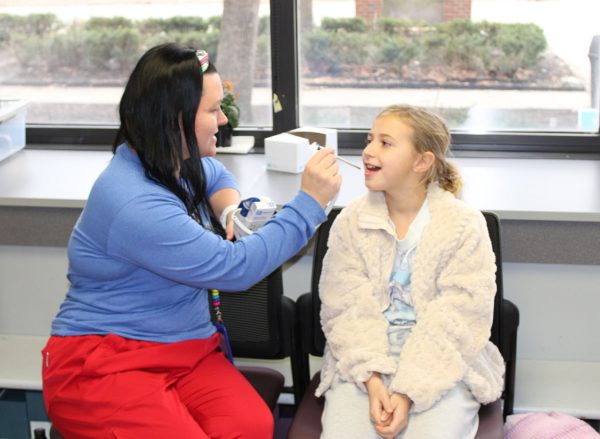
Just as every district has teachers who are responsible for students’ learning and principals who oversee school operations, they also have nurses, who are ready to tackle everything from scrapes to colds.
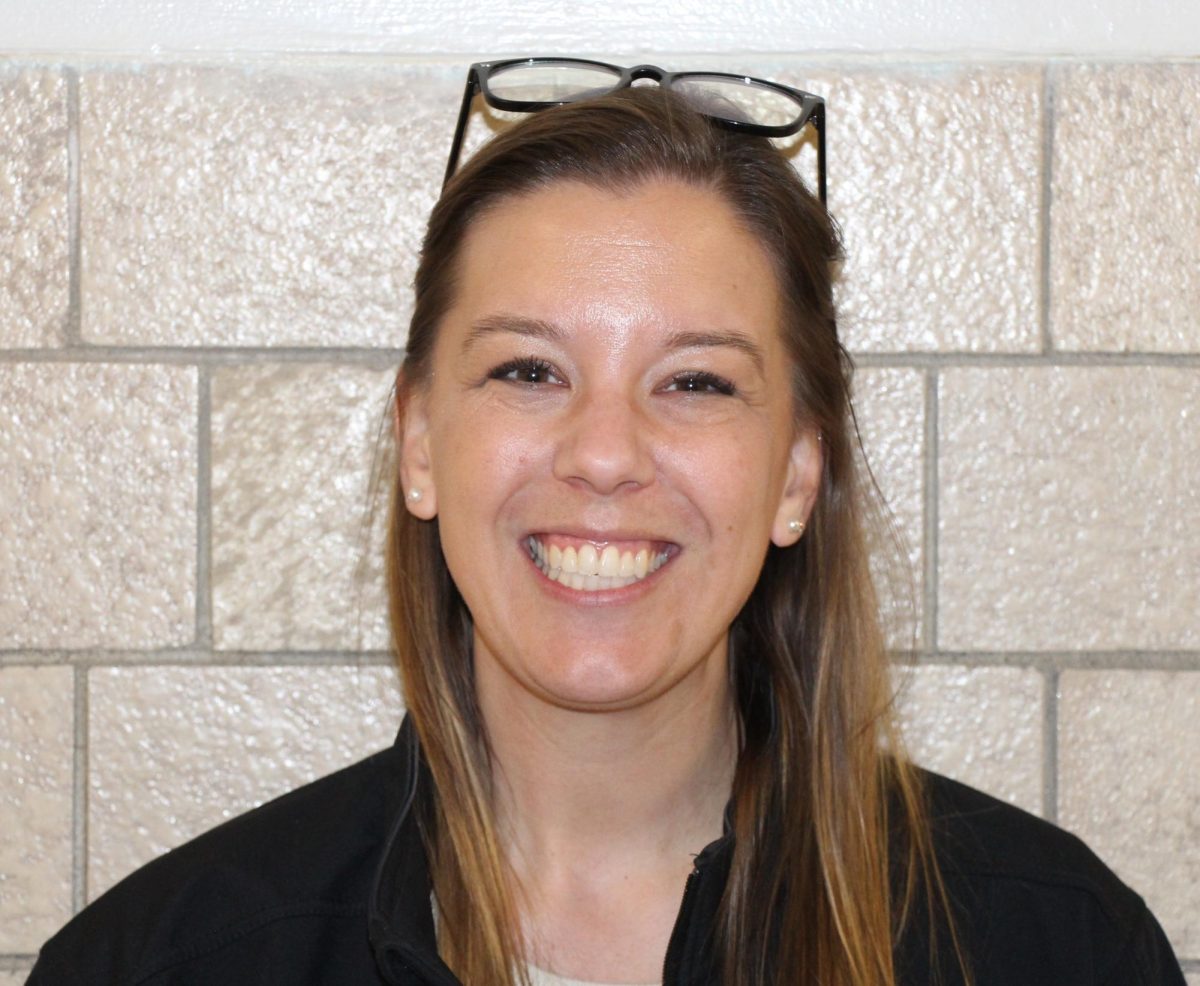
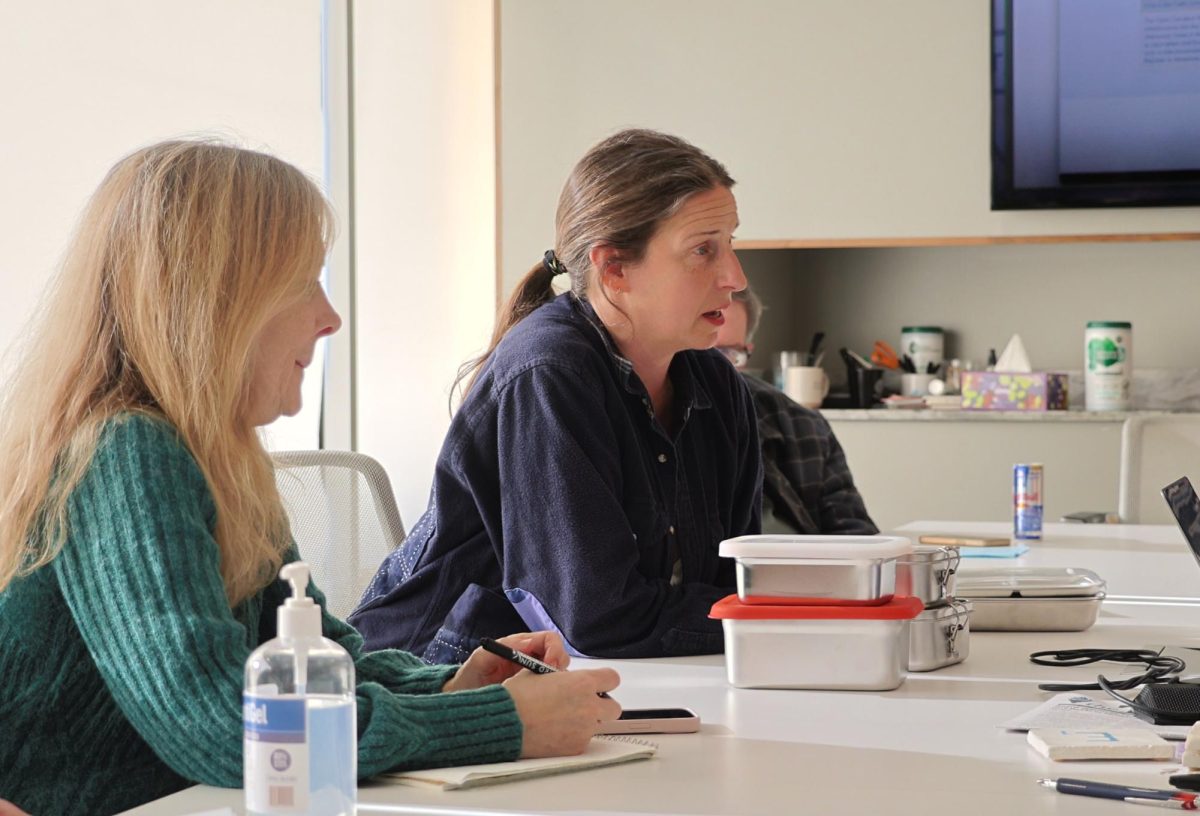
Nurses Chalyse Stalling and Michelle Skoog and Medical Assistant Jackie Kleeberger provide support to students in the Cassingham complex.
Stalling said the most common health issues school nurses deal with are head bumps, coughs, colds and stomachaches.
She added it’s necessary for nurses to think outside of the box to care for all of the children they see daily.
“Some days go smoothly,” she explained. “Some days are like urgent care: very busy and unexpected.”
Skoog said before working at Bexley, she worked with children as a public health nurse.
“Having that background of working with kids really helps me love and excel at my job,” she explained.
Stalling explained positive experiences with her own school nurse inspired her to pursue a career in healthcare.
She added her previous nursing experience at hospitals provided a strong foundation for her current position.
Kleeberger explained she has been a Medical Assistant Preceptor for the past five years, mentoring adults in the health field and helping them learn essential skills. Because she had never worked with children before, it initially was unfamiliar, she added.
“When I arrived, it was really stressful being around kids,” she said. “Especially when they started crying, it made me very anxious, but after a few go arounds, you do get used to it.”
Stalling said they see students of all ages, but she typically handles the middle school while Kleeberger and Skoog handle Cassingham and the high school, respectively.
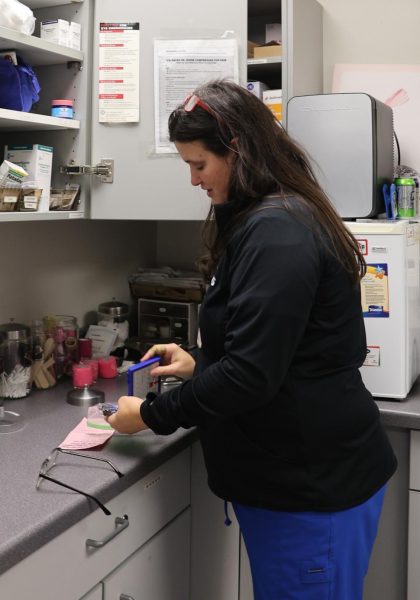
Their work can include anything from monitoring stations for students who are diabetic and need observation throughout the day to treating cuts and administering daily medications, Stalling said.
When a student arrives at the clinic, whoever is currently available will initially assist them, Stalling explained.
“In the clinic, we very much operate as all hands on deck,” she said. Kleeberger said her day is a combination of planned and unexpected moments.
“I see students for everything from bumps and scrapes to stomachaches, medication administration and health concerns that pop up without warning,” she explained.
Skoog said school nurses are also licensed to manage more complex medical situations, such as handling students’ chronic conditions.
She added the nurses create Individual Health Plans for students so they can help manage
more serious health conditions.
They also develop plans for students with known diagnoses in case of a medical emergency, she explained.
She said the clinic typically sees around 100 students a day with some needing emergency care.
“We have many students who require asthma, seizure or allergy emergency medications,” Skoog explained. “In case of one of these events, we are able to assist students with necessary treatments.”
Stalling said she starts the day at 7:30 a.m., usually being the first nurse at the clinic. She prepares stations for diabetic students who need monitoring throughout the day, she explained.
Skoog said after a student leaves the clinic, she charts on their visit, noting important details like arrival time, care received and reason for the visit.
Kleeberger said the nurses are always communicating with one another.
If one of them is busy with a student who needs more attention, someone else steps in to cover walk-ins or phone calls, she explained.
“We share responsibilties so that students get help quickly and nothing slips through the cracks,” Kleeberger said. “Collaboration is a huge part of what makes the clinic run smoothly.”
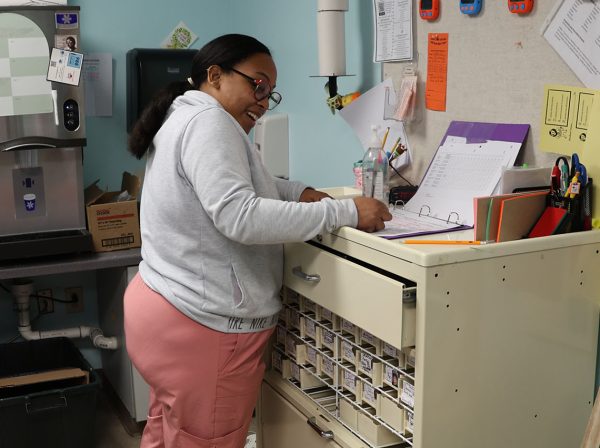
She said what makes her job interesting is its unpredictability.
“Always expect the unexpected in a school setting,” Kleeberger added.
Skoog said the biggest lesson she has learned in her first year is most students are under a tremendous amount of pressure.
“They are trying to balance all the demands of school and life and have a great experience at school,” she said.
Stalling explained her favorite part of the job is meeting with and caring for kids throughout the day.
“[I] definitely love it here at Bexley,” she said.
Skoog explained although there is a shortage of resources to educate future nurses, AI won’t be able to replace them due to the need for human interaction in the field.
“Technology may take away the need for workers, but nursing will always need to have a human component because of emotional support,” she explained.
Stalling said school nurses are vital for providing support to students, regardless of the severity of the situation.
“We are there for a reason, and I believe every student should see us if they have a problem,” she said.
Skoog said every day in the clinic brings new interactions, whether it’s comforting a nervous student or collaborating with a teacher and parent to support a student’s health needs.
Kleeberger said it is difficult to see students struggling, but she knows she’s making an impact on them, no matter how small it may seem.
“It can be hard when a student doesn’t feel well or is nervous and I can’t fix everything right away,” she explained. “But even in those moments, I remind myself that being a calm and reassuring adult makes a big difference.”
Kleeberger said she loves making connections with students.
“Building relationships with students is the best part of the job,” she said.
Skoog explained working with students motivates her to come to work every day.
“Being a nurse at Bexley doesn’t feel like work when you are doing what you love and being around the best kids,” she said.
Published and digitized December 2025