



























The district has implemented a safety monitoring software called Gaggle to monitor student activity on Chromebooks and school Google accounts.
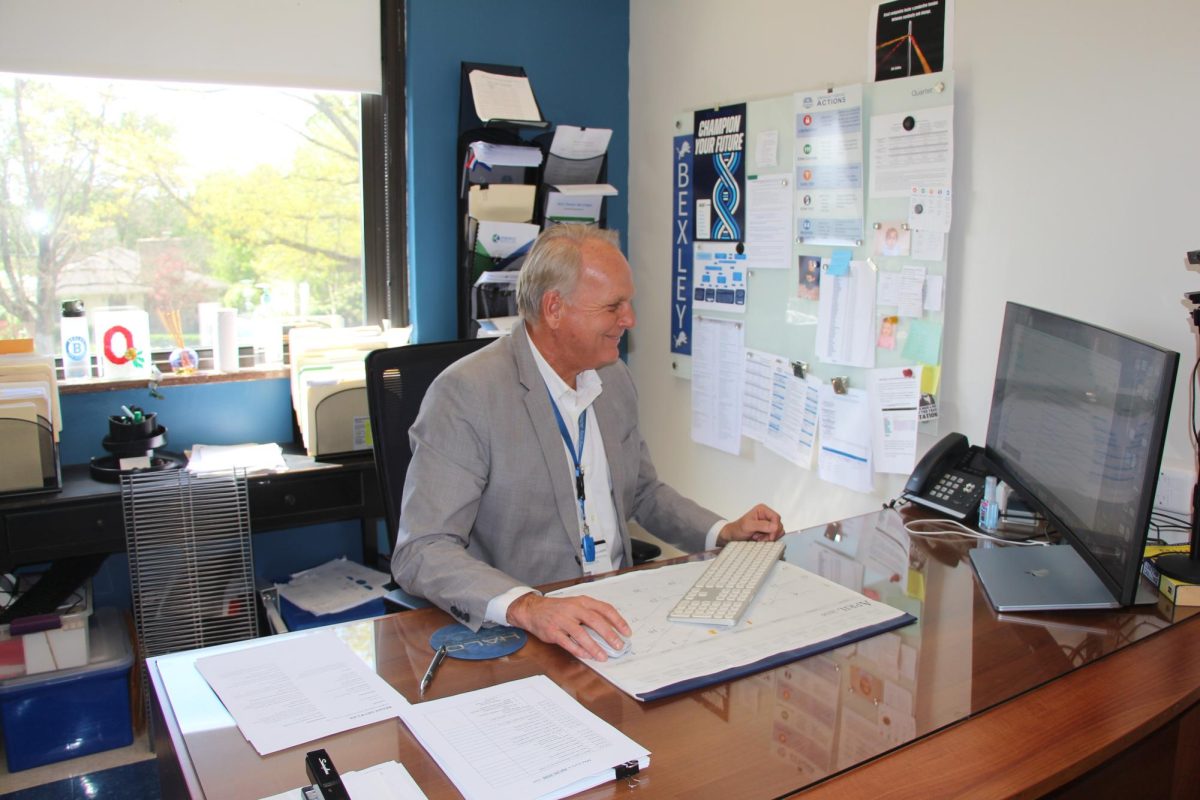
Director of Technology Brad Pettit explained the implementation, which rolled out in October, aims to ensure the safety of students online and facilitate intervention if a student’s activities are concerning.
“It is looking for any behavior related to harm, self harm, harm to others, violence, anything that is rather unhealthy, and then it alerts us if it believes it is severe enough for us to be made aware,” he said.
Pettit said Gaggle tracks all activity on school Chromebooks and Chrome accounts. If a student is logged into their school Chrome account on their personal device, any activity on their account will still be tracked by Gaggle.
Additionally, Pettit said if a student is logged into their personal account on their Chromebook, their activity is also tracked.
Pettit explained Gaggle uses a combination of AI software and a trained response team to review flagged activities and pass that information on to school administration if necessary.
“There are machine learning pieces that do the initial response, but Gaggle has a 24-hour team of people that do all the review of those pieces,” he said. “We do not see the response until a human determines that it should indeed be reviewed.”
Gaggle has two categories of risk: Possible Student Situation and Questionable Content, Pettit said. A Possible Student Situation involves immediate risk and requires immediate intervention, he explained.
If a Possible Student Situation or imminent threat to student safety is detected during those times, Pettit said, Gaggle has the ability to contact the Bexley Police Department directly. The police would decide if a wellness check is necessary, and school administrators would be notified as well, he added.
Pettit explained the decision to implement Gaggle involved input from district leadership and the Technology Advisory group, which consists of parents, staff members and recent graduates. He said it is also a part of the district’s digital wellness initiative.
He added the district will pay approximately $24,000 a year for use of the software.
Gaggle also monitors students’ devices and accounts on weekends and evenings, Pettit explained.
Principal Jason Caudill said the purpose of Gaggle is to provide an additional safety measure to students online.
“This is not about catching kids doing bad things,” he explained. “The ones we’ve had to really intervene with are kids thinking, ‘I’m thinking about hurting myself.’”
Caudill said in the first month, he received 15 reports, four of which required further action.
“In those cases, it’s given us a chance to sit down with a kid who maybe had no other way to express that they were feeling a certain way, and we’ve been able to link them with resources,” he said.
Sophomore Ava Ricart said she is concerned about how Gaggle interacts with her personal information.
“I feel violated and a little bit uncomfortable,” Ricart said. “It’s pretty much an unspoken law that they have to monitor what you’re doing on a school Chromebook, but otherwise it makes me uncomfortable about what else they can see.”
Caudill said he hopes the implementation of Gaggle will encourage students to be more aware of their activity online.
“I would hope that people would think twice before doing something stupid on a school computer, and I would hope now they think a third time,” he said.
Published and digitized December 2025.