











Pro
By Indio Silva / Staff Reporter
As creators of entertainment, many great artists reach positions of considerable attention. In a world where social media and the Internet give celebrities an even larger audience, some argue artists have a duty to say and do the right thing, and if they fail to do so, their art is ruined.
It is important to call out the harmful behavior of anyone with a significant platform. What I take issue with, though, is the idea that an artist’s actions can change the way their work is viewed. Great art can come from controversial sources, and art shouldn’t be judged based on public approval of its creator.
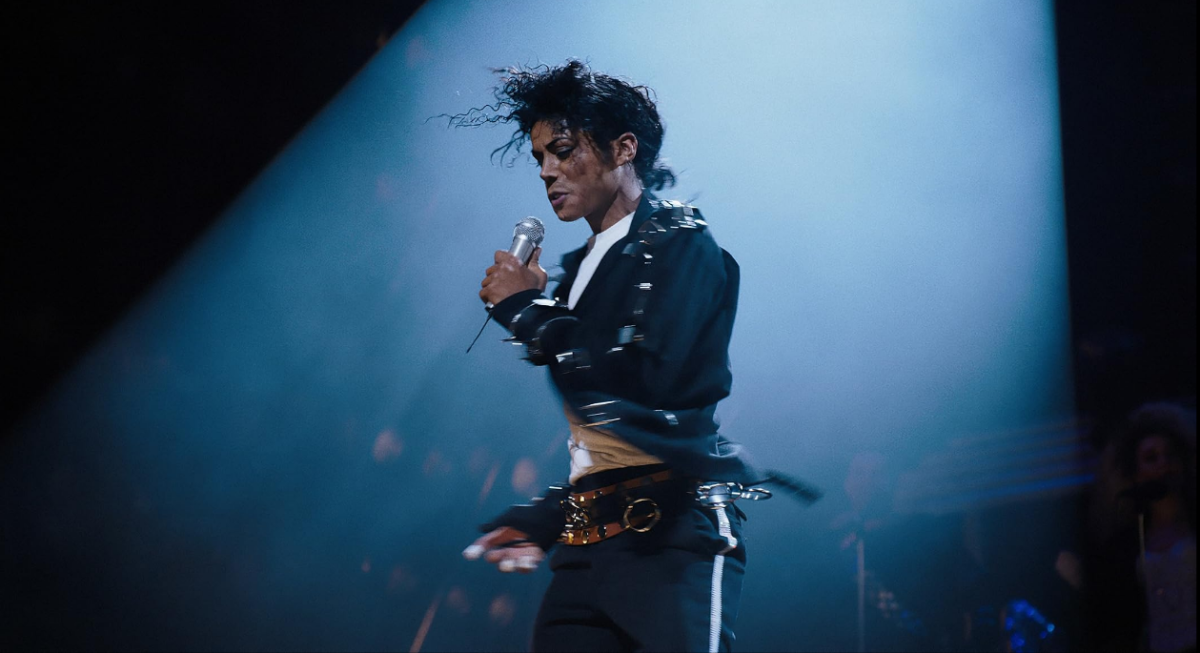
There are plenty of beloved artists that have been involved in controversies. Michael Jackson, whom many consider to be among the greatest pop stars of all time, released several classic albums like “Thriller,” “Bad” and “Off the Wall.” His legacy, though, is clouded by several accusations of sexual abuse involving children. Although Jackson was acquitted in a 2005 trial, the accusations continue to stain his legacy.
Given the severity of the criminal investigations, society should not ignore the controversy because of his revered music. Instead, the enjoyment of his music should not be considered an endorsement of his behavior. Taking pleasure in art from controversial sources is only wrong if the art itself is involved in that controversy.
It is also important to separate artists from their art so that public perception is not valued more than artistic analysis. Although much of this conversation surrounds separating controversial people from their art, positive behavior shouldn’t enhance a person’s art either. If that were true, making “good art” would only depend on someone’s character.
Popular artists should be held to higher standards than the average person because of their influence. However, great art can come from controversial sources, and art shouldn’t be judged by how liked its creator is. Although popular artists with influence should be held accountable for their actions, their art should still be judged separately from their character.
Con
By Brett Ziegler / Staff Reporter
When Kanye West openly praised Hitler, many of his fans claimed they didn’t support his worldview but continued listening to his music. When R. Kelly was convicted of sex trafficking, supporters insisted his songs could exist independently from his crimes. Not only is this mindset extremely flawed, it is dangerous. We should not separate artists from their art because doing so enables harmful behavior to continue. Additionally, it dismisses victims’ experiences and creates a culture where talent alone can excuse people from taking accountability for their actions.
Giving attention to a controversial artist’s work signals to victims that people care more about the artist’s art than what the victims had to endure. Rapper R. Kelly had significant influence in the music industry and beyond, which made people look past the terrible things that he did. Several of R. Kelly’s victims bravely testified about the years of abuse and manipulation they faced, but despite his conviction for several horrific crimes, his music still racks up millions of streams. Ignoring the actions of artists disregards victims who suffered at their hands.
When we excuse DaBaby’s anti-LGBTQ+ comments or overlook Picasso’s documented abuse, the idea that talent can excuse terrible behavior is normalized. Celebrities shouldn’t receive special treatment solely because they’re talented. The damage they inflict on others through their actions greatly outweighs the cultural significance of their work. If we hold everyday people accountable for racism, homophobia and abuse, why should artists be exempt?
Consuming a controversial artist’s art directly supports them, too. Every stream, concert ticket and download puts money into their pockets. When we support problematic artists despite serious allegations, we are actively funding their influence and platform. We are enabling them to continue succeeding, and in doing so, condoning their behavior. Continued consumption of their work directly translates to financial gain and cultural influence that empowers creators instead of punishing them.
Read additional student perspectives on separating art from the artist here.
Published and digitized February 2026.