














Pro
By MC Thrush / Staff Reporter
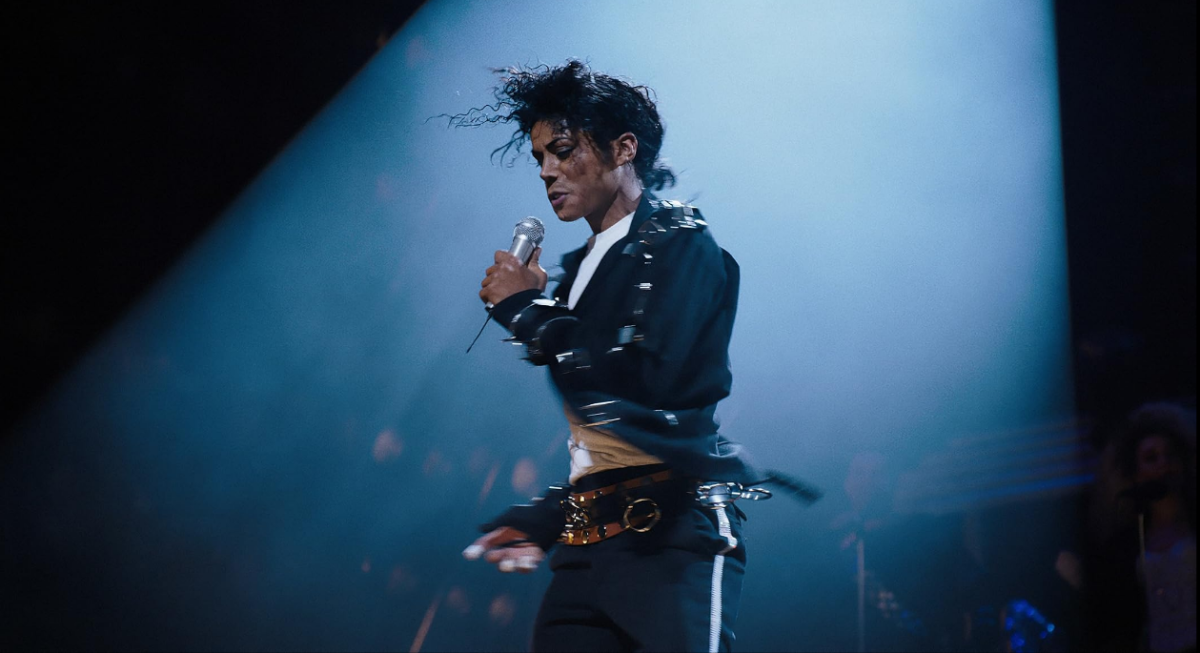
Through the music we listen to, the paintings on our walls and the movies we watch, art is everywhere. However, careers in the arts are dismissed as unsustainable in the growing corporate world. This happens despite artistic careers generating some of the most successful individuals, facilitating self-expression and teaching people fundamental skills.
Some of the most successful people in the world have built celebrated careers in the arts. According to the Motion Picture Association, the American film industry brings in over $35 billion annually. While not all artists reach this level of achievement, every industry contains a wide range of success. Anyone can be successful or unsuccessful even in traditionally “stable” careers.
Pursuing careers in the arts remains worthwhile, especially with growing concerns about AI in the workforce. Although people believe art careers are at risk as AI continues to develop, AI would have never been capable of generating pictures like Sandro Botticelli’s “The Birth of Venus” or Gustav Klimt’s “The Kiss.” Pieces like those were created to explore the real life emotions felt by the artists. It is necessary to preserve artistic careers, as art has no significance without human creativity behind it.
Many are not aware of how artists bring creative solutions to commercial problems. Art classes and degrees are fundamental for careers in advertising, which helps generate consumer spending. The creativity that artists foster is useful in any industry, making pursuing an art degree worthwhile.
Those who believe art careers are unnecessary or disposable are the same people who turn on a movie after a long day at the office or who listen to music while cooking dinner. This contradiction highlights the significant role art plays in everyday life, even for those who dismiss its value. Careers in art have always been and will remain a fundamental part of the human experience.
Con
By Adam Merzel / Staff Reporter
For many young people, pursuing a career in the arts is the dream. However, this dream often does not match reality. Although creative careers may seem tempting, the financial instability, intense competition and risk of losing passion make them an unwise decision for most people.
One major challenge with careers in the arts is they do not offer a stable income. Artists often rely on inconsistent gigs, side jobs or freelance work to get by. According to the U.S. Bureau of Labor Statistics, while the median pay for artists is around $56,000, many earn far less, with the lowest 10 percent making less than $29,000 per year. A survey conducted by the National Opinion Research Center found the median income from artists’ primary work is closer to $15,000, forcing many to depend on additional jobs. It is difficult to justify investing years of time, effort and what is often an expensive education into a path where financial stability is uncommon.
The competition in arts fields is also overwhelming. For every successful artist, there is an absurd number of equally talented people who never get recognized. Talent alone is not enough. Artists also need connections, timing and luck on their side. Even then, success is not guaranteed, creating a frustrating, endless cycle where hard work does not necessarily lead to results.
There is also the issue of artists losing passion for their work. Many people pursue the arts because they genuinely enjoy the act of creating, but turning that passion into a career can take away the very thing that made it appealing in the first place. Instead of creating art they truly care about, artists often have to focus on meeting deadlines, following trends and attempting to produce art that will actually sell. This can make creative work feel more like a chore than a form of self-expression.
While the arts are certainly valuable to society, pursuing them as a full time career is often a risky and unrealistic choice. A more balanced approach, like keeping the arts as a passion while pursuing a stable career, offers the best of both worlds.
Published and digitized April 2026.